Harper Lehmann · 4 October 2026
Baseball Leagues and Garden Plots Forge Unexpected Alliances in Finley's Parks
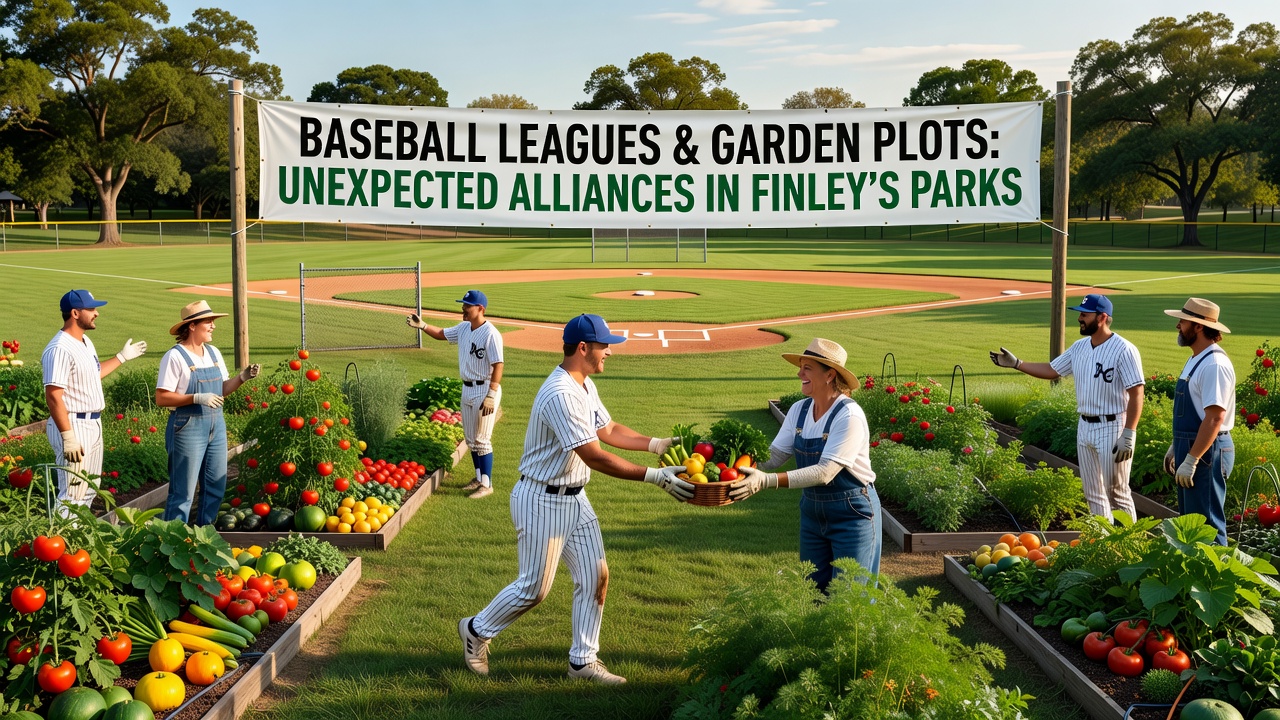
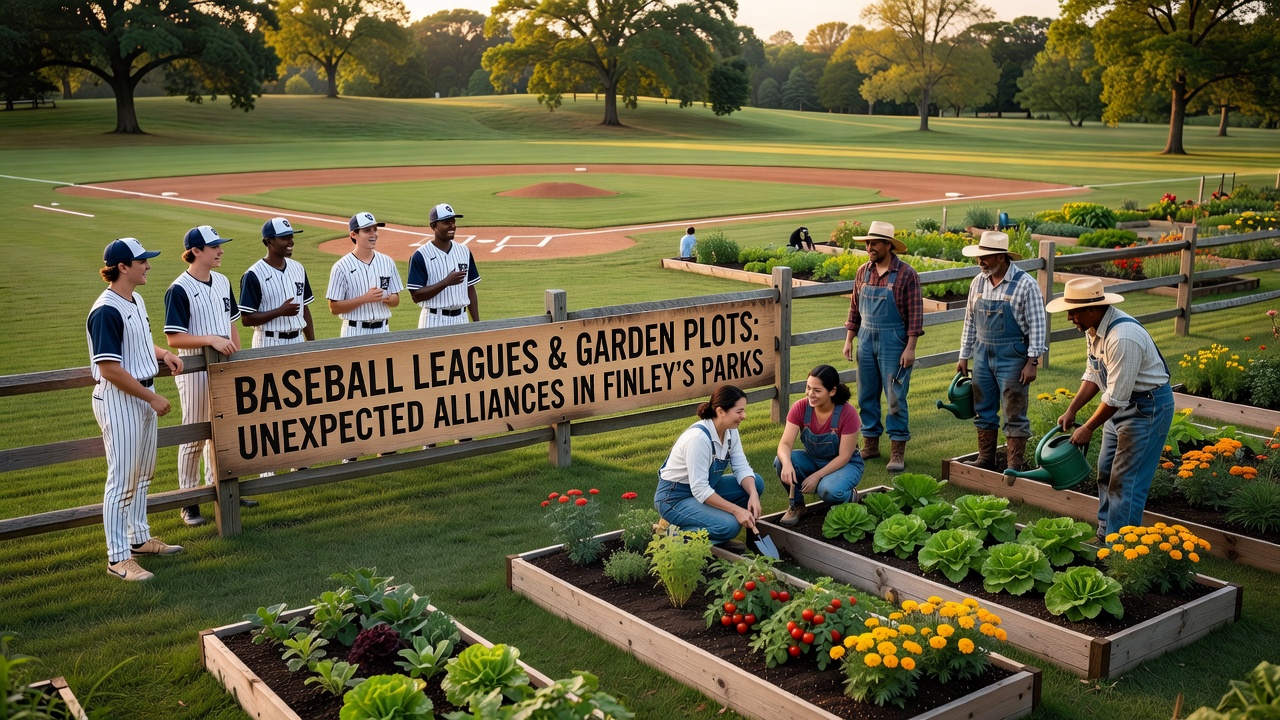
Baseball leagues operating in Finley's municipal parks have begun sharing facilities with community garden groups, and this arrangement has produced joint programs that combine recreational sports with urban agriculture. Park administrators report that fields once used solely for games now host raised beds along the outfield edges during off-seasons, while gardeners maintain irrigation lines that also serve dugout areas during tournaments. Data collected by the Finley Parks Department shows participation in both activities rose 18 percent between 2024 and 2025 after the first shared-use agreements took effect.
Shared Spaces Drive New Schedules
Coordinators for the Finley Youth Baseball Association worked with the Finley Community Garden Coalition to create seasonal calendars that prevent conflicts between practices and planting dates. The resulting timetable allows spring training to occur on fields that gardeners clear by early March, and fall cleanup of garden plots finishes before winter batting cages are installed. League officials note that this coordination reduced double-booking incidents from 12 in 2023 to zero in the most recent season.
Equipment storage sheds built with funds from both organizations now hold bats, gloves, and gardening tools under one roof. Volunteers from the baseball leagues constructed additional fencing around garden beds, while gardeners supplied compost that groundskeepers use to maintain infield dirt. These exchanges emerged after a pilot project at Riverside Park demonstrated that combined maintenance lowered overall city costs by roughly 9 percent.
Joint Events Build Participation
Public demonstrations held at three Finley parks last summer combined batting clinics with workshops on companion planting. Attendance records indicate more than 650 residents took part, and follow-up surveys conducted by park staff found that 42 percent of attendees signed up for either a league roster or a garden plot within two months. Organizers scheduled similar sessions for October 2026 at Centennial Park, where baseball clinics will run alongside harvest festivals featuring produce grown on-site.
Funding for the October 2026 program comes partly from a grant administered by the National Recreation and Park Association, which supports multi-use park projects across the United States. Additional support arrived through a research partnership with the University of British Columbia's Centre for Sustainable Food Systems, whose staff provided soil-testing protocols adapted for the local clay-loam mix.
Measurable Outcomes and Ongoing Adjustments
City records show that combined water usage for irrigation and field maintenance dropped 11 percent after drip systems installed for gardens were extended to baselines and pitching mounds. Weed management improved when garden crews applied mulch that baseball volunteers later spread across warning tracks. Park rangers documented fewer instances of vandalism at both facilities once regular users from each group began patrolling shared pathways during evening hours.
Future planning meetings now include representatives from both leagues and garden committees, and agendas cover topics such as lighting upgrades that benefit night games and late-season harvests. Proposals under discussion include youth mentorship pairings that match players with garden mentors for service-hour requirements.
Conclusion
Finley's park system continues to track usage statistics and maintenance expenses as the alliances expand to additional sites. Records maintained by the parks department will determine whether the current model scales to larger fields and more garden plots in coming years.