Iris Wolf · 1 November 2026
Pioneer Journals from the 1800s Guiding Today's Library Events and Crop Development Methods
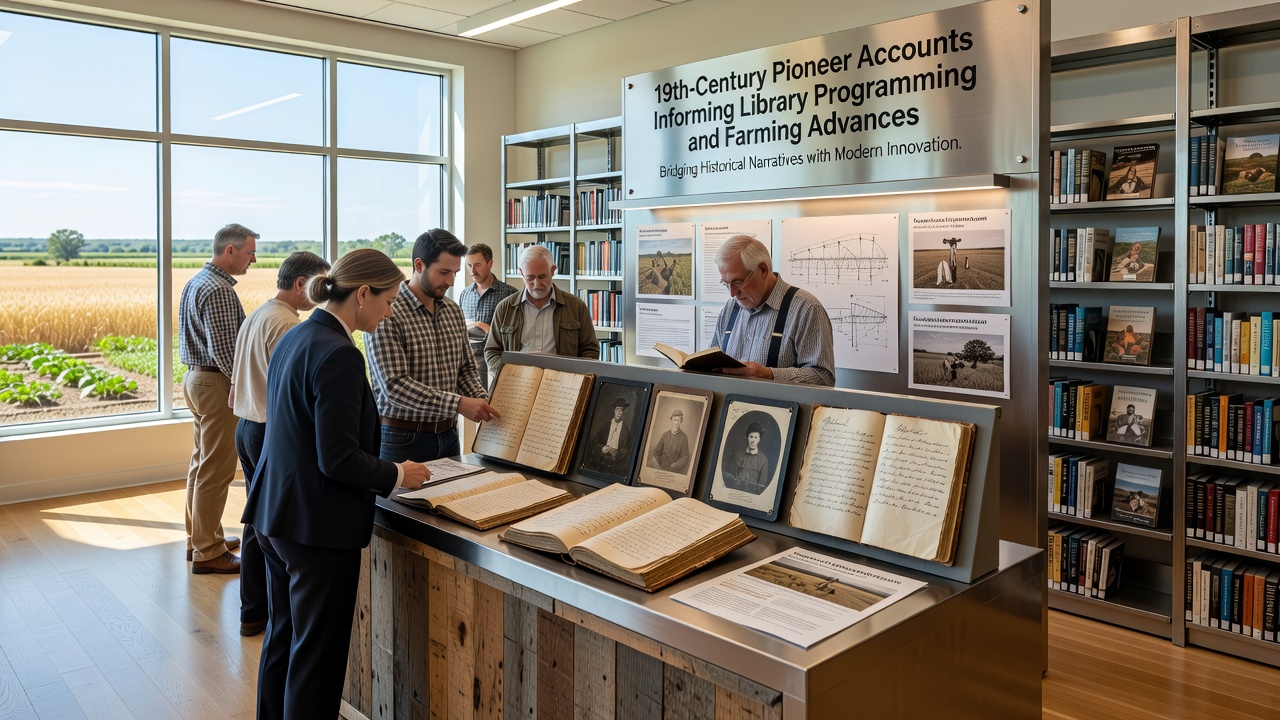
Accounts written by 19th-century settlers crossing the American plains and western territories contain detailed records of planting schedules, seed selection, water conservation techniques, and soil observations that researchers now examine for patterns relevant to current challenges. These primary sources, preserved in various archives across North America, offer data points on crop performance under variable weather conditions that align with contemporary climate variability studies. Library systems in multiple states have incorporated excerpts from these journals into public programs that combine historical analysis with hands-on agricultural workshops.
Library Programming Draws on Primary Source Material
Public libraries in rural and urban areas alike have expanded their offerings to include series built around transcribed pioneer narratives, where participants compare 1800s farming calendars with present-day extension service recommendations. These sessions often feature digitized versions of diaries held by institutions such as the Library of Congress, allowing attendees to trace specific references to drought-resistant varieties or companion planting arrangements that settlers recorded after trial and error. Program coordinators report increased attendance when events pair journal readings with seed-saving demonstrations, creating direct connections between archival text and practical skills.
Digital access projects have accelerated this trend, with several consortia completing large-scale scanning initiatives that make full texts searchable by keywords related to agriculture. Participants in November 2026 workshops will examine entries describing the use of cover crops and natural pest deterrents, then test simplified versions in community garden plots managed through library partnerships. Such programming integrates literacy goals with agricultural education without requiring participants to hold prior expertise.
Agricultural Researchers Apply Historical Observations
Agronomists at universities and government laboratories have begun cross-referencing settler descriptions of soil types and yield outcomes with modern geospatial data to identify microclimates that may support heritage crop revival. One study conducted by researchers at the University of Saskatchewan examined accounts from the 1870s and 1880s that noted successful wheat strains under short growing seasons, then tested related genetic lines for resilience against current temperature fluctuations. Results indicated measurable improvements in germination rates when historical selection criteria were reapplied alongside contemporary breeding techniques.
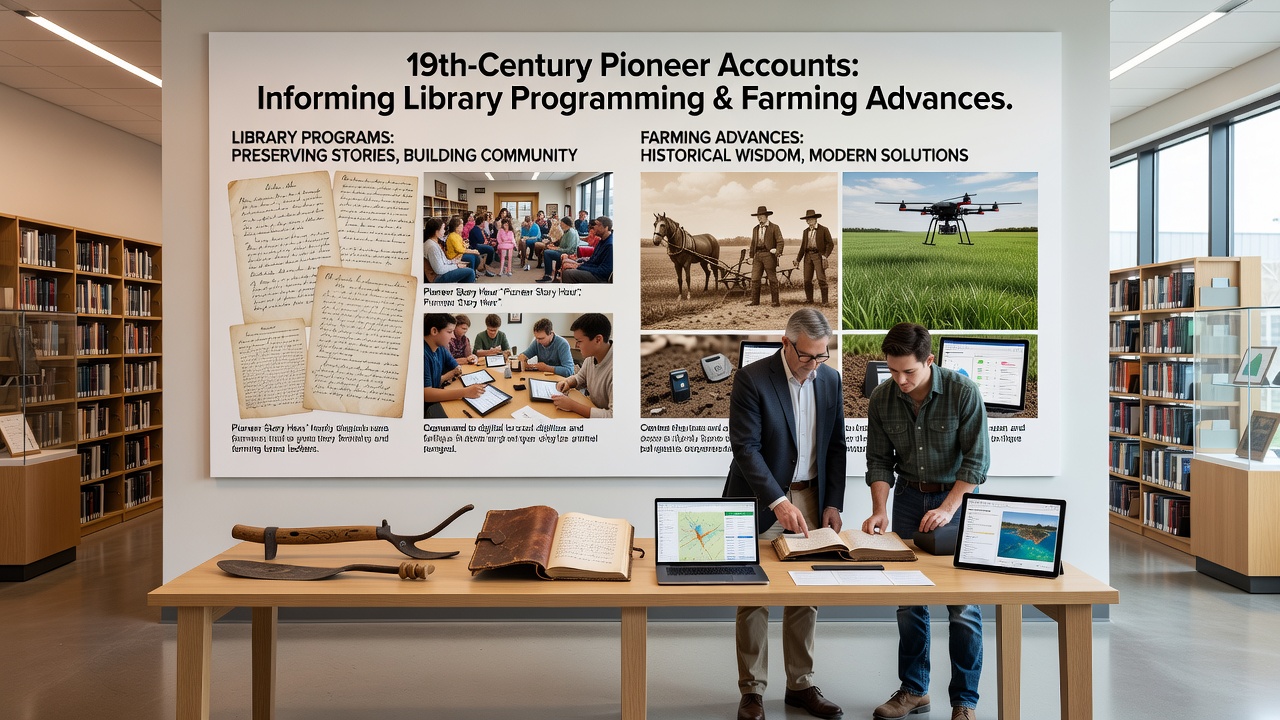
Similar work appears in reports from Australia's Commonwealth Scientific and Industrial Research Organisation, where analysts mapped settler-era observations of irrigation timing against current water allocation models in arid zones. The cross-temporal comparison revealed consistent patterns in planting depth and spacing that reduced evaporation losses, prompting field trials that incorporated both archival insights and sensor-based monitoring. Data collected over multiple seasons showed that integrating these older methods produced comparable yields while lowering overall water inputs.
Collaborations Between Institutions Expand Reach
State historical societies and agricultural extension offices have formed working groups that catalog pioneer references to specific practices such as crop rotation sequences and livestock integration. These catalogs feed directly into library databases used by educators developing curriculum modules for secondary schools and community colleges. Extension agents then deliver follow-up sessions where participants apply the documented techniques on demonstration farms, recording outcomes that loop back into updated program materials.
Funding for these joint efforts has come through competitive grants administered by agencies including the U.S. Department of Agriculture and equivalent bodies in Canada and the European Union. Grant requirements emphasize measurable knowledge transfer, with participating libraries tracking attendance figures and subsequent adoption rates of recommended practices among local growers. Preliminary figures released in late 2025 indicate rising participation numbers in regions where multiple institutions coordinate their calendars.
Conclusion
Archival pioneer accounts continue to supply concrete observations that libraries translate into accessible public programs while agricultural researchers test against present-day variables. The resulting exchanges between historical records and applied science produce documented refinements in both educational outreach and field-level techniques. Ongoing digitization and cross-institutional projects scheduled through 2026 and beyond ensure these sources remain integrated into evolving library services and farming strategies across diverse geographic contexts.